

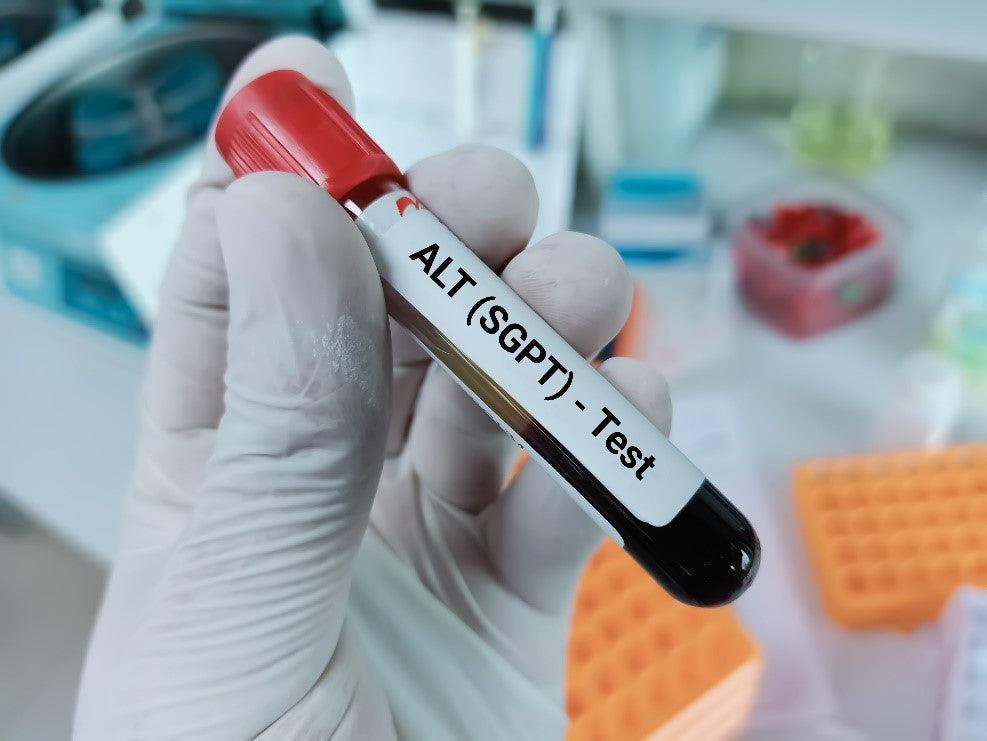
When it comes to maintaining our overall health, the liver's function often gets side lined. The powerhouse organ plays a crucial role in our body's digestion, metabolism, and detoxification processes. One important measure of liver health is the Serum Glutamic Pyruvic Transaminase (SGPT) level. It's a liver enzyme that, when elevated, can be an indicator of potential liver damage or disease. Understanding how to control SGPT levels is essential for safeguarding liver health.
However, modern lifestyle presents challenges with increased consumption of processed food and reduced physical activity. Therefore, maintaining optimal liver health is a rising issue. Bearing this in mind, a few strategic lifestyle modifications can significantly aid in lowering SGPT naturally. The key is to focus on adopting habits that support your liver's function, rather than strain it. Through this blog post, we'll delve into the impact of SGPT on our liver's health and discuss proven SGPT reduction strategies that anyone can incorporate into their daily routines.
SGPT and the Liver: A Delicate Balance
SGPT is an enzyme primarily found within liver cells. If the liver experiences injury or stress, increased amounts of SGPT can leak into the bloodstream, serving as an indicator of potential hepatic dysfunction. Elevated SGPT levels act like a distress signal, suggesting impaired liver function. To promote better liver health, it's crucial to address elevated SGPT by identifying underlying causes such as alcohol consumption, viral infection, drug toxicity, obesity, etc. Once the cause of elevated SGPT is identified, appropriate lifestyle changes, medical interventions, and treatments tailored for each case can be implemented.
Quick tip: Monitor your liver health with regular check-ups and blood tests. Early detection will ensure proactive steps to control SGPT levels.
Food for Thought and Liver
Just as petrol fuels a car, our diet powers our liver. A diet including foods rich in antioxidants, fibre and healthy fats aids in lowering SGPT naturally. Think colourful fruits and veggies, whole grains, nuts and seeds, - these are your liver’s best friends. Conversely, too much salt, sugar, or processed food can spell trouble for our liver.
Exercise: Your Liver's Lifeline
While physical activity helps us shed the extra kilos, it also keeps our liver in good health. Studies suggest that regular exercise improves liver function and is a favourable SGPT reduction strategy. Aim for at least 30 minutes of moderate-intensity exercise daily. Remember, every step counts towards boosting liver health.
Alcohol: A Liver’s Bane
Alcohol is like kryptonite for our liver; it harms liver cells, causing them to swell or die, which can spike up SGPT levels alarmingly. It goes without saying that maintaining moderation or abstinence from alcohol can go a long way in safeguarding your liver.
Liver health tip: To control SGPT levels, minimise exposure to environmental toxins and chemicals that can harm liver function. Use caution with household cleaners, pesticides, and other potentially harmful substances.
Stress Less for Liver Success

Chronic stress or poor sleep can wreak havoc on your liver function, including raising your SGPT levels. Embracing de-stressing activities like meditation, yoga or just a quiet walk in the park can help your liver breathe a sigh of relief.
By incorporating these SGPT reduction strategies and liver health tips into our daily routine, we can ensure that our liver continues to function at its best.
As we wrap up our discussion on how to control SGPT levels, it's worth emphasising that the journey to optimal liver health requires consistency and steadiness. Incorporating healthy routines into your daily life and maintaining them is crucial for controlling SGPT effectively. As you venture on this path, remember to maintain a healthy diet, stay active, limit alcohol intake and keep toxins at bay. - their collective impact on your liver health is profound. With these potent liver health tips, lowering SGPT naturally becomes an achievable goal and not just a distant dream.
Keeping in mind the significance of this issue, at GoodFlip, we are committed to assisting you on this journey towards improved liver health. Our team of highly qualified professionals is equipped with the latest medical knowledge and is always ready to offer personalised advice that suits your health needs. We believe that informed patients make the best choices for their health. Take charge of your liver health today, – get in touch with us today for more insights on SGPT reduction strategies and other medical information. Your healthier tomorrow is just a click away.
FAQs
1. What physical activities can help control SGPT levels?
Moderate aerobic exercises like walking, swimming, or cycling can support liver health by aiding in weight management and reducing SGPT levels. Begin with low-intensity workouts and gradually increase the duration and intensity as your fitness improves.
2. Does hydration play a role in managing SGPT levels?
Yes, staying well-hydrated is essential for liver function. Drinking around 2 litres of water daily helps flush out toxins, supporting the liver and helping maintain SGPT levels within a healthy range.
3. Are there any specific dietary changes to reduce SGPT levels?
A liver-friendly diet includes plenty of vegetables, fruits, whole grains, and lean proteins. Limiting saturated fats, refined sugars, and alcohol can further reduce strain on the liver and help normalize SGPT levels. A balanced diet contributes to overall and liver health.
4. How does stress management affect SGPT levels?
Chronic stress can raise SGPT levels by promoting inflammation in the body. Practices like yoga, meditation, deep breathing, and getting adequate sleep can help lower stress and protect liver health.
5. Can avoiding certain medications help maintain healthy SGPT levels?
Some medications, such as NSAIDs, certain antibiotics, and cholesterol-lowering drugs, may elevate SGPT levels. Always consult your doctor about potential liver-related side effects, and never stop taking prescribed medication without medical advice.
Sources:


